Performance marketing for hybrid SaaS & tech companies
Two growth motions. One revenue engine
Usage-based pricing blurs the line between PLG and SLG: one customer pays a few euros a month, the next pays millions a year. We open the door to every account and put your budget behind the ones that actually grow.
Four signs you’re sabotaging your hybrid growth
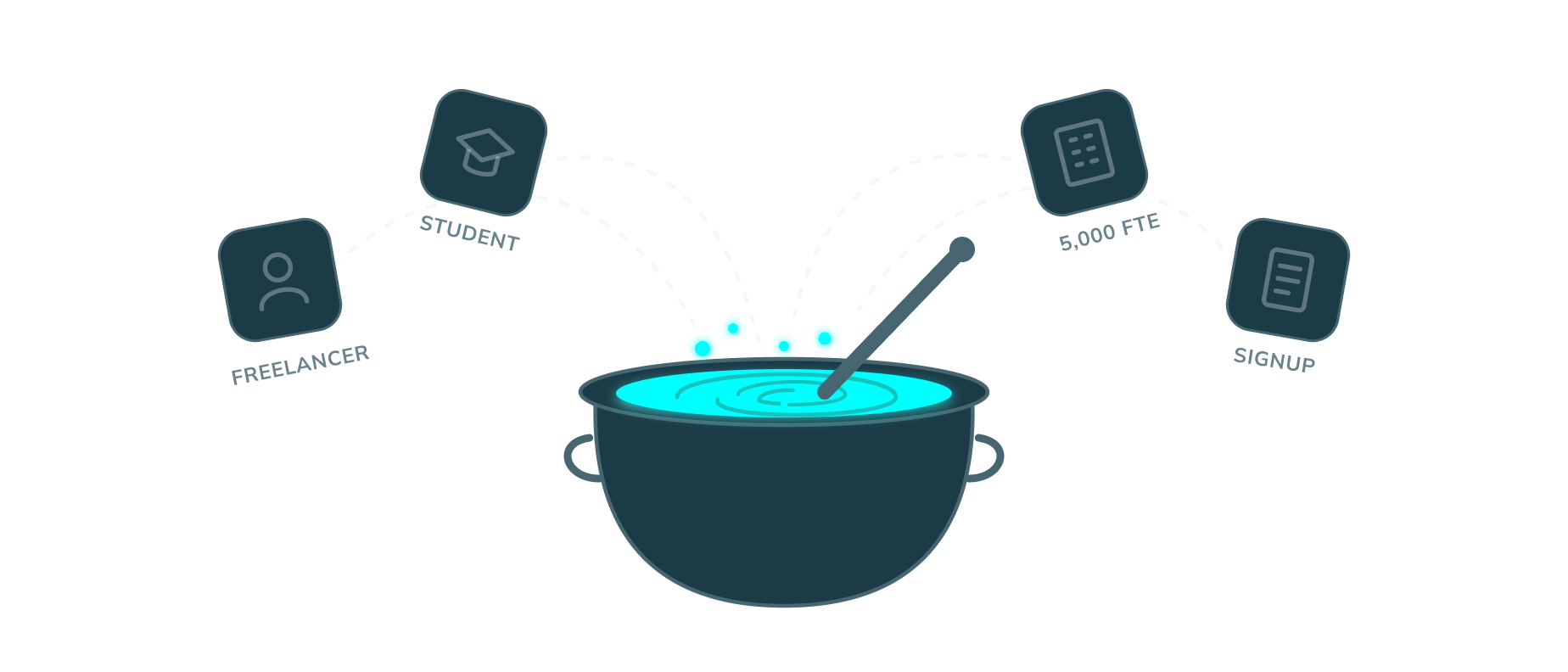
You treat conversions as if they’re worth the same.
In your ad accounts, a freelancer signup looks like a trial from a 5,000-person company. If you can't tell them apart, the algorithms chase the cheapest conversions. Your data shows record numbers, while your sales team finds nobody worth calling.
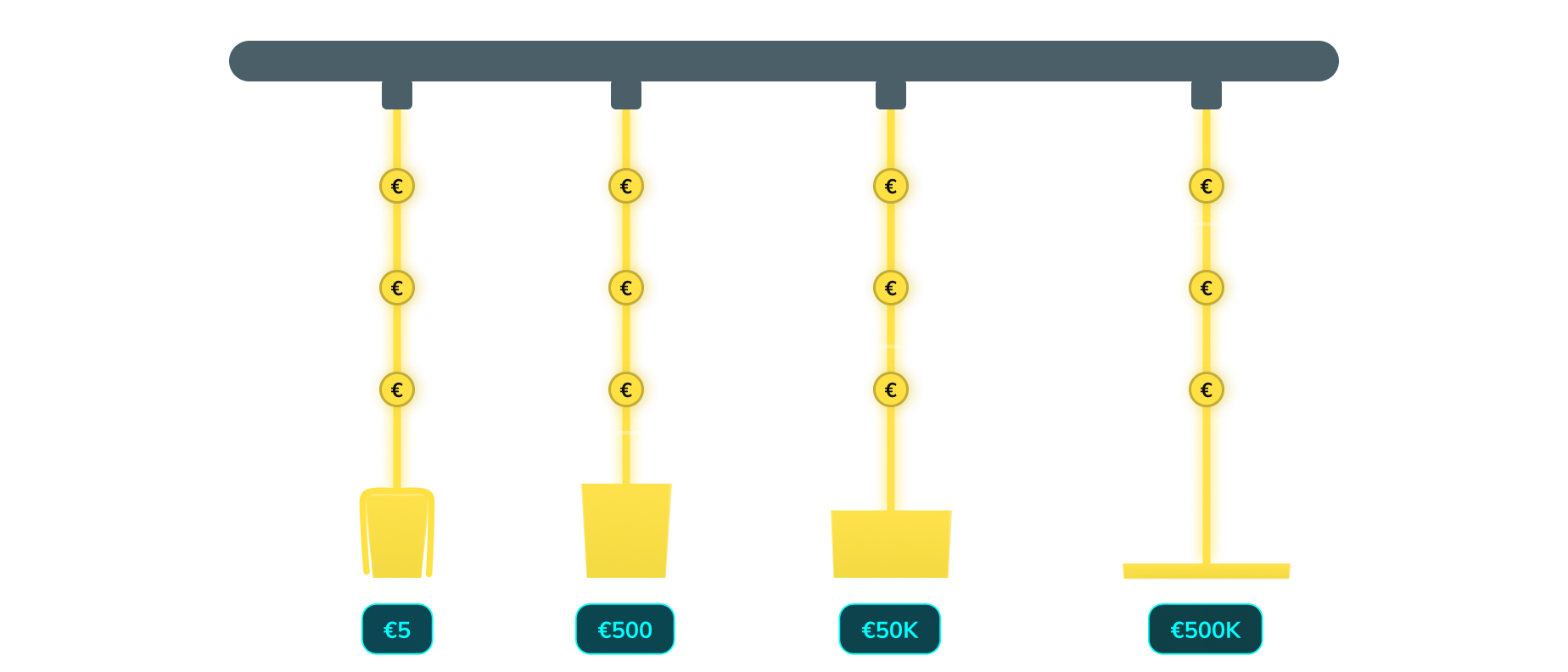
You run one budget across the ACV curve.
With usage-based pricing, deal sizes range from single digits to seven figures. One setup, one CPA target and one message for every deal size means you overspend on small accounts and underspend on the ones that move the needle.
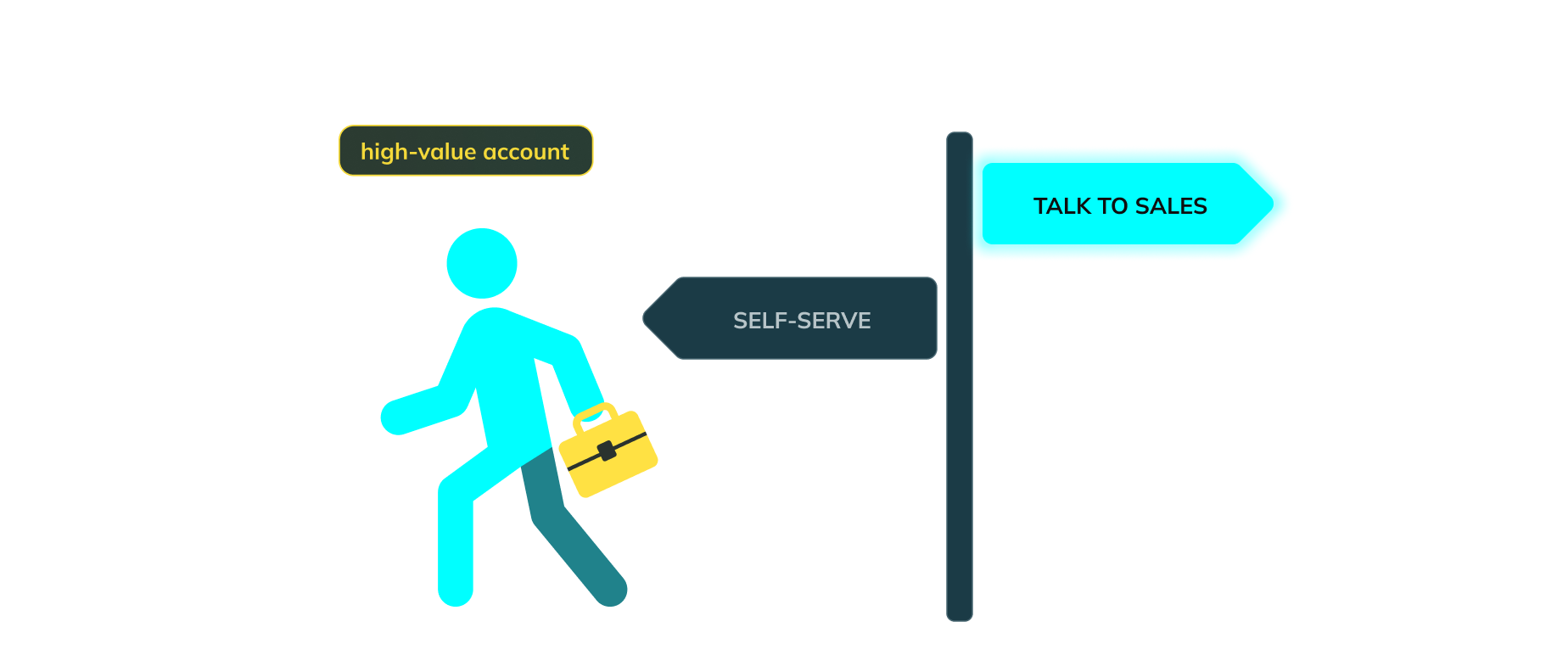
You take your best accounts down the wrong path.
Enterprise coders head straight to the trial. Small teams book demos your AEs shouldn’t take. Without qualification and routing at the conversion, big accounts get lost in self-serve while sales burns hours on people paying two euros a month.
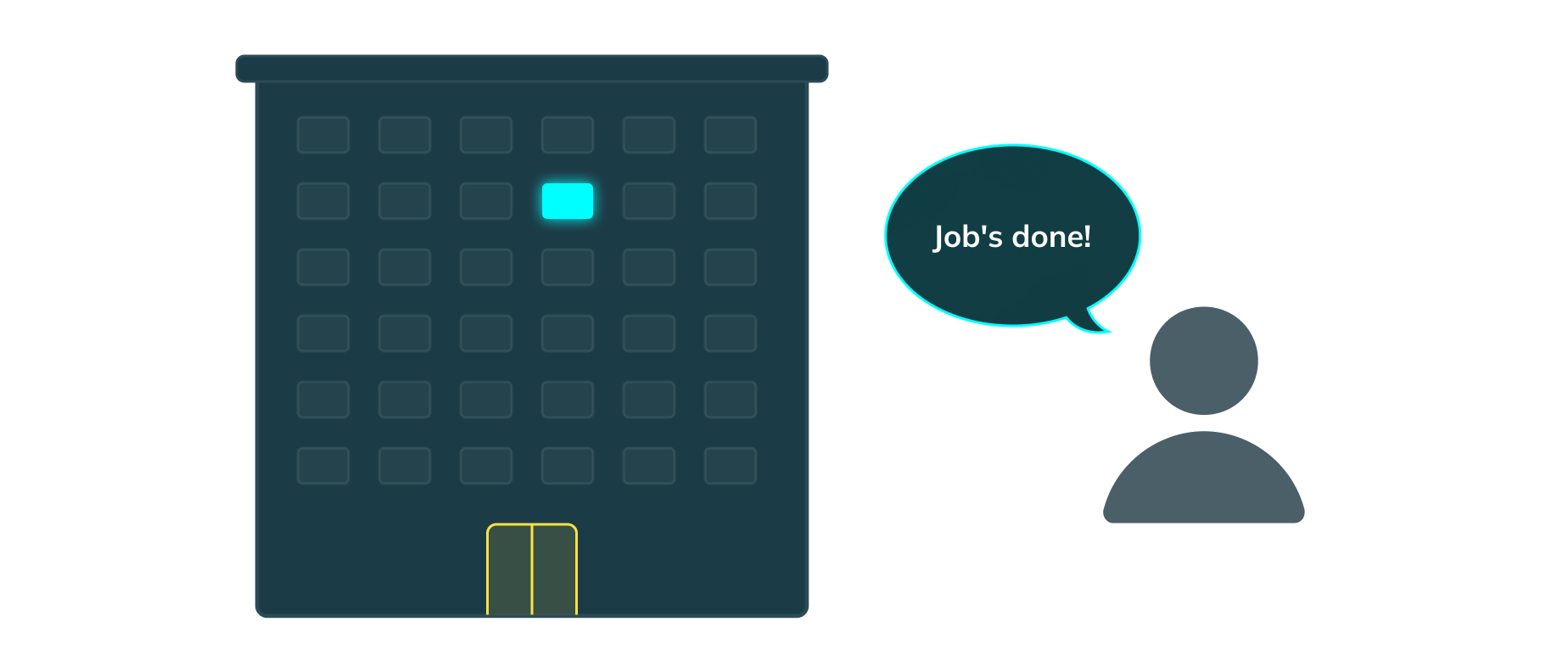
You let one team's trial stay one team's trial.
When one team inside a big account starts using your product, the real deal is the rest of the organization. If your paid programs stop at the signup and never reach the other teams within the account, big enterprise contracts stay a dream.
Every account gets in. The biggest
accounts get the budget.

Value bidding instead of volume bidding
We’re feeding ICP fit, firmographics, product-qualified lead (PQL) status and pipeline data as conversion values into Google, LinkedIn and Meta. The algorithms learn the difference between a two-euro signup and a seven-figure opportunity and every campaign is optimized for spend-to-pipeline and cost per SQL.

Segmented funnels along your ACV curve
We build your acquisition around your ACV and usage distribution. Tightly targeted ABX campaigns saturate the buying committees of your highest-potential accounts, while scalable campaigns on Meta, YouTube and Google capture the long tail as efficiently as possible. Every segment has its budget, targets and KPIs, making sure no euro gets lost in the average.

The right way in for every account
Every paid landing page offers a frictionless way to try the product as well as a direct line to sales, with qualification, enrichment and routing happening right at the moment of conversion. We define who gets the fast lane into the product and who gets a sales conversation, so your AEs spend their time on the accounts that are actually worth it.

From one person’s trial to a company-wide deal
One team's trial is your foot in the door. We make sure you get into the room. From the first euro onward, we immediately shift our focus from acquisition to revenue expansion. We drive renewals, expansion, and referrals through product-derived signals, customer marketing, advocacy, and executive engagement.
Proven plays that power your hybrid growth
Every account gets a way in. Every channel knows which accounts are worth the most.
Value-based Google Ads
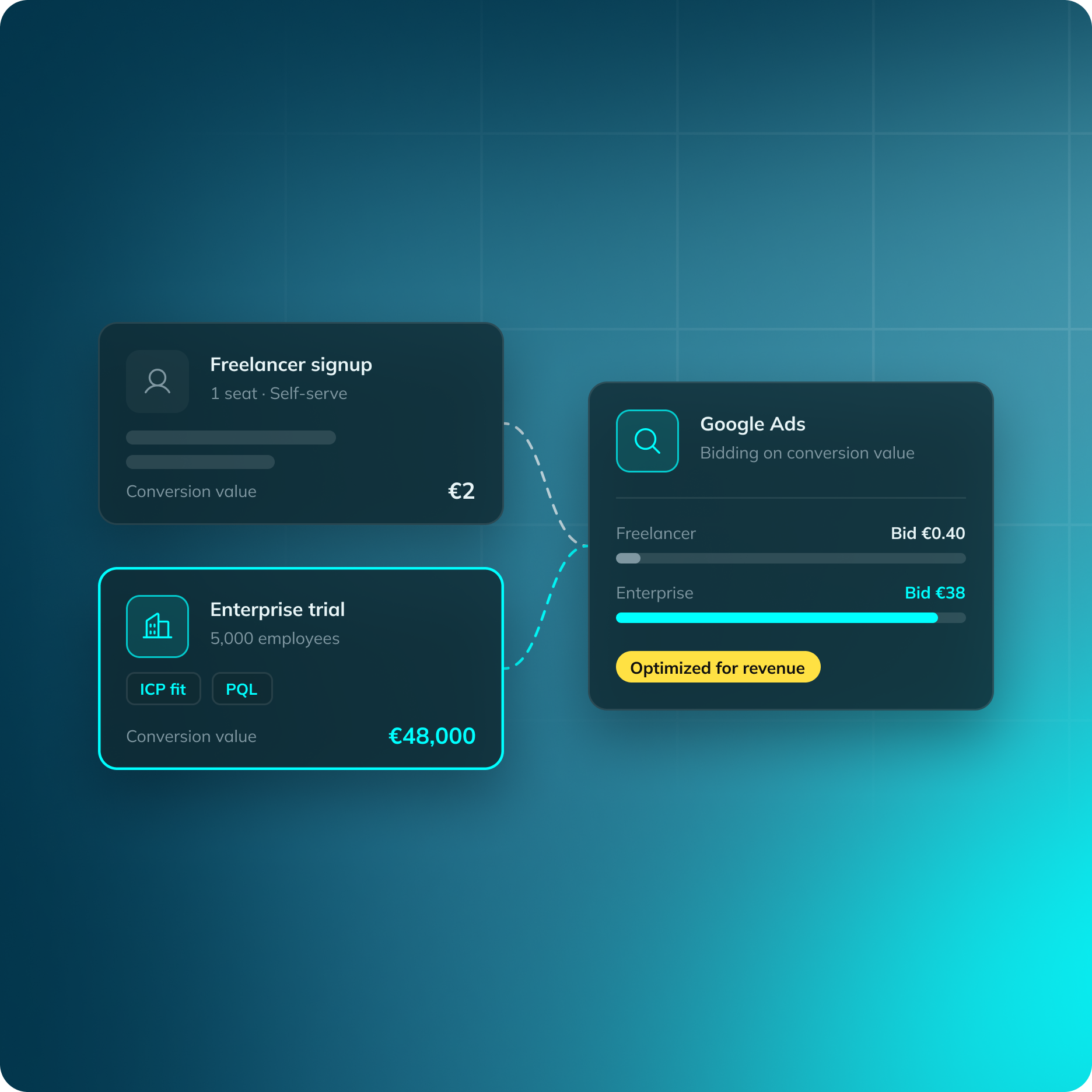
High-intent search brings in both ends of your ACV curve. ICP fit, PQL status and pipeline data flow back to Google as conversion values, so bidding optimizes toward the accounts that turn into revenue.
ABX for high-potential accounts
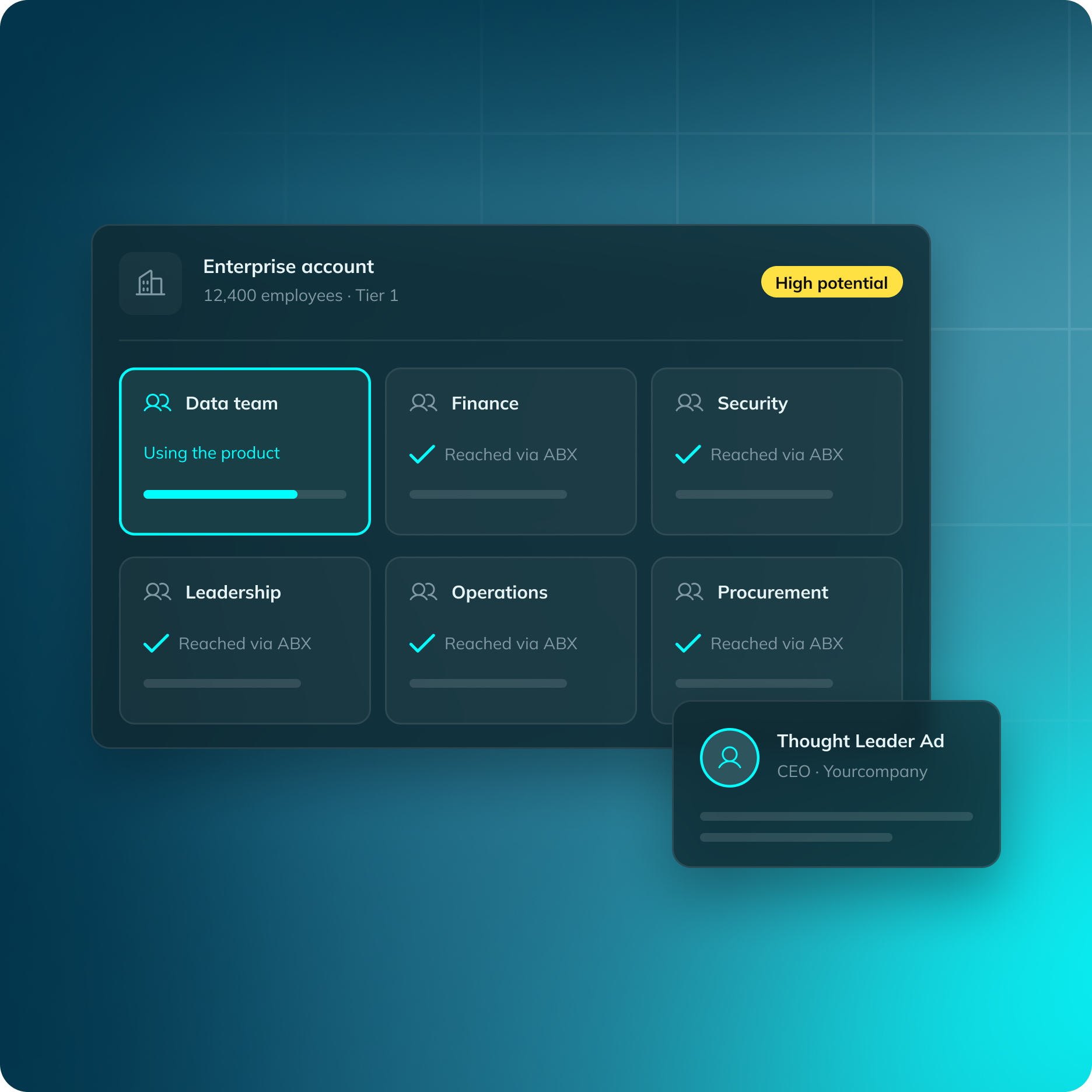
For your biggest accounts, we target their buying committee on LinkedIn with Thought Leader Ads from your executives. When one team starts using your product, we reach the other teams in that account.
Meta for the self-serve long tail
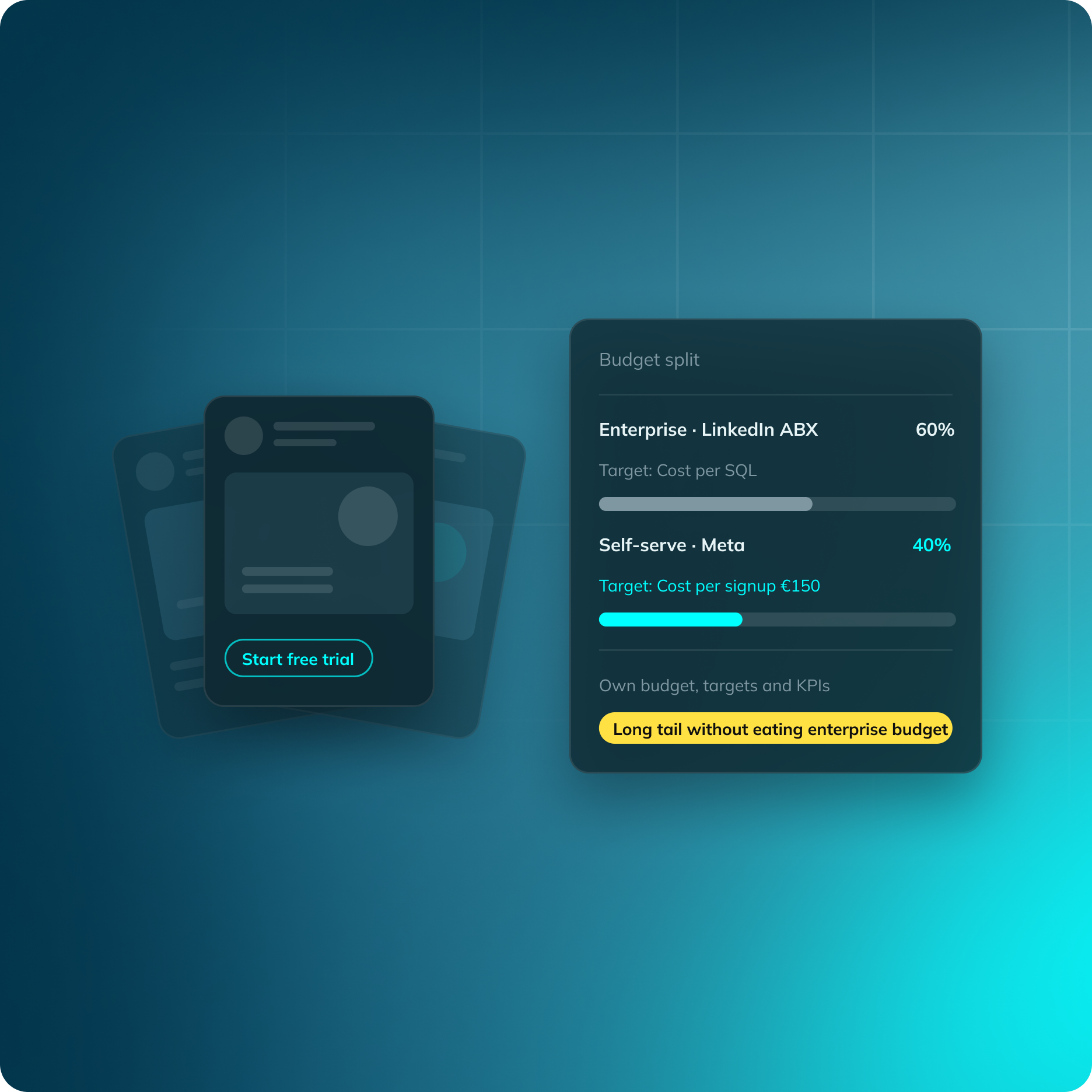
Meta captures self-serve signups at scale with its own budget, targets and KPIs, so the long tail grows efficiently without eating the budget meant for enterprise accounts.
Funnel design and enrichment
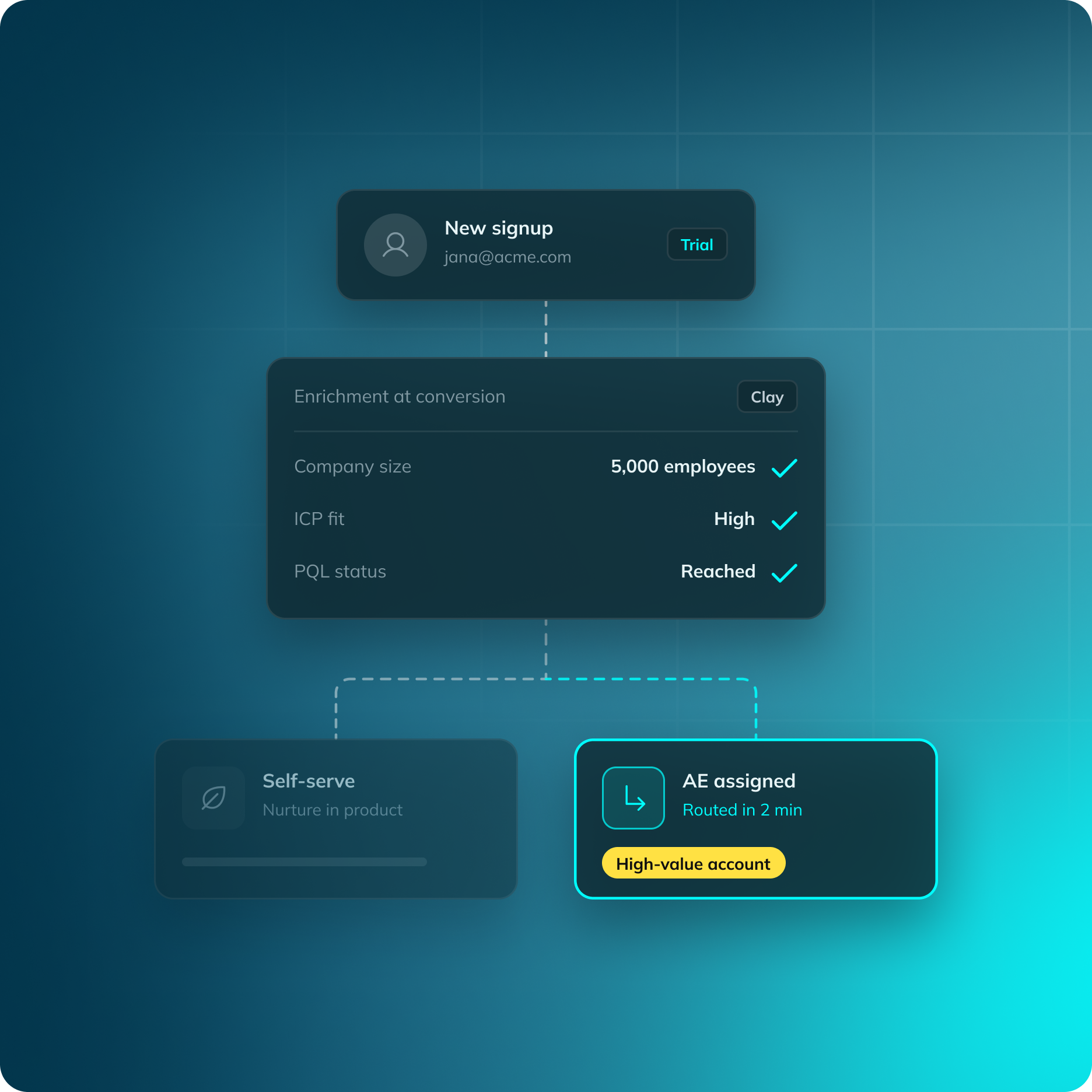
We map how signups enter your CRM, when they become PQLs and when they go to sales. Enrichment with tools like Clay happens at the moment of conversion, so high-value accounts always reach your AEs.
LinkedIn attribution with Fibbler
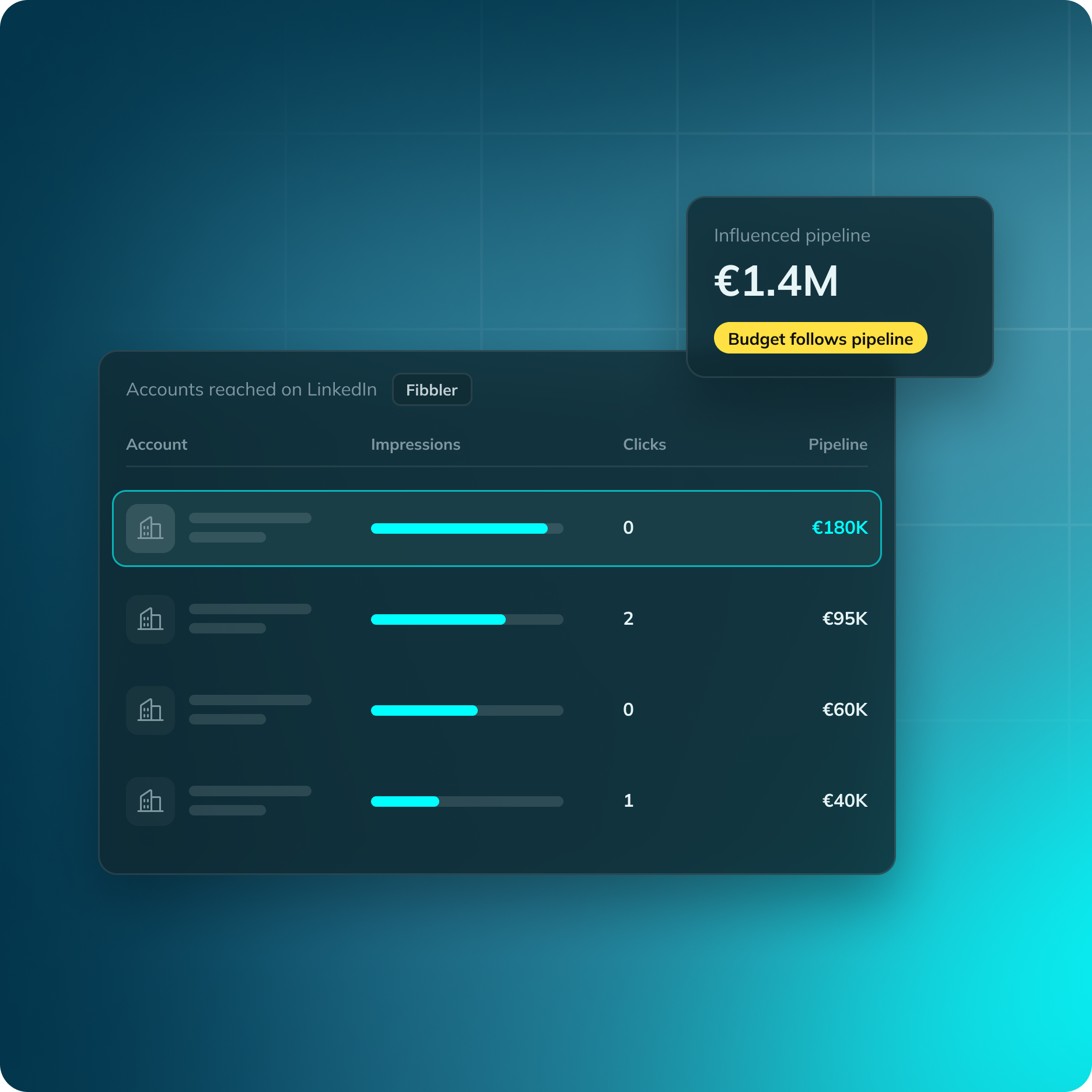
LinkedIn influences deals long before a click. With Fibbler and a hybrid attribution model in your CRM, we show which accounts LinkedIn reached and how much pipeline it influenced, so budget follows impact.
Customer health and expansion
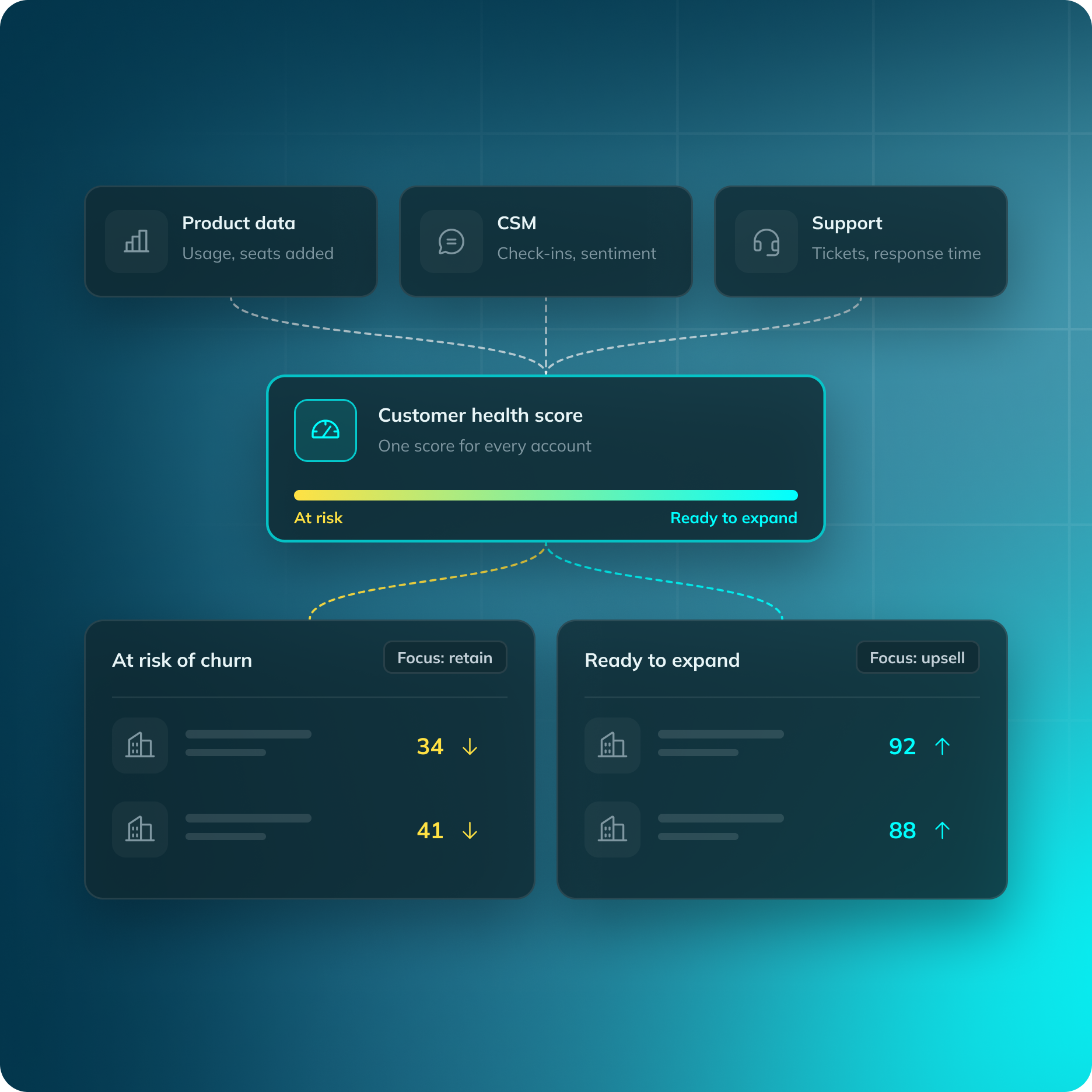
Product data, CSM and support signals feed into a customer health score. It shows which accounts are ready to expand and which are at risk of churning, so marketing and sales know which ones to focus on.
Three specialized services. Working as one agency.
Paid media is one of three specialized services that form the revenue engine behind your hybrid growth motion.






The last thing you ask before your hybrid motion takes off
Why is it important to follow a marketing approach tailored to a hybrid growth motion?
In a hybrid model, buyers come in through two paths, self-serve and sales, and deal sizes range from a few euros to millions. A one-size-fits-all setup then optimizes for the cheapest conversions and burns budget on small accounts. Marketing has to weight every conversion by its real value, keep both entry points open and steer budget toward the accounts that actually grow, measured in pipeline and revenue, not signups.
What is a hybrid or product-led sales (PLS) motion?
Buyers can enter through two doors: self-serve via a free trial or freemium plan, or directly through a demo with sales. Product usage and account data decide who stays self-serve and who gets sales assistance. Most usage-based SaaS companies end up here.
How do you tell high-value signups from low-value ones in paid campaigns?
We combine firmographic data, ICP fit and enrichment at signup with product signals such as PQL thresholds and pipeline data from your CRM. These values are sent back to Google, LinkedIn and Meta, so bidding optimizes toward the accounts that are worth the most.
Which KPIs matter most in a hybrid motion?
On the business side: signup-to-PQL rate, PQL conversion rate, revenue run rate and NRR. On the paid side: cost per PQL and spend-to-pipeline ratio per segment. Cost per signup alone tells you very little.
Do low-value signups still matter?
Yes. They build awareness and a broad user base, and a small team today can be the entry point to a company-wide contract tomorrow. We capture them efficiently, but we don't let them eat the budget meant for high-value accounts.
How does usage-based pricing change performance marketing?
It widens the range of deal sizes and lowers the barrier to start, which means more signups but less predictable revenue. Paid has to segment by potential value, feed richer conversion data into the ad platforms and keep investing after the signup to drive usage and expansion.